What this article covers
A practical guide to Gut-Brain Connection
- Key context behind Gut-Brain Connection
- Where personalized compounding may fit into the discussion
- What to review with a qualified prescriber or pharmacist
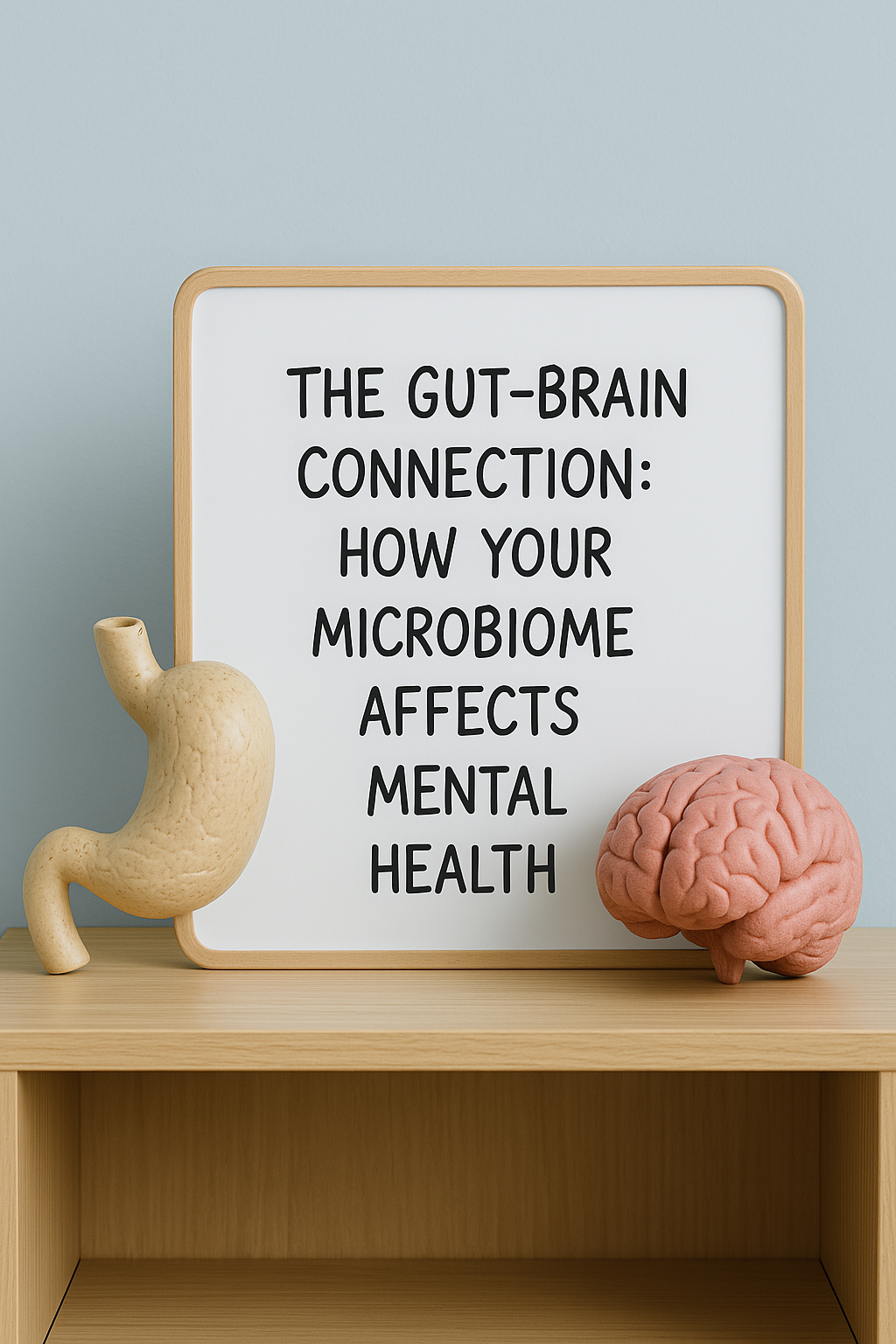
The phrase "trust your gut" may have more scientific backing than we once realized. Emerging research has explored a complex communication network between the digestive system and the brain, often called the gut-brain axis.
At NP Labs, we're committed to supporting healthcare providers who explore holistic approaches to wellness that address the root causes of health concerns. The gut-brain connection represents one of the most promising frontiers in understanding how our body systems influence each other, and how compounding pharmacies can play a vital role in creating customized solutions that support both digestive and mental health.
Understanding the Gut-Brain Axis: A Two-Way Street
The gut-brain axis is a complex communication network that links your central nervous system (brain and spinal cord) with your enteric nervous system (the intricate neural network embedded in the lining of your gastrointestinal tract). This connection occurs through multiple pathways, including:
- The vagus nerve - A major cranial nerve that serves as a direct communication highway between the gut and brain
- The immune system - Which can signal the brain when inflammation occurs in the gut
- Neurotransmitters - Chemical messengers produced by gut bacteria that can influence brain function
- Hormones - Signaling molecules that travel through the bloodstream from the gut to the brain
- Metabolites - Products of bacterial metabolism that can affect brain function
What makes this connection particularly remarkable is that it's bidirectional—your brain can influence your digestive processes, and your gut can send signals that affect your mood, cognition, and mental health.
Did You Know?
Your gut contains over 100 million neurons—more than in your spinal cord! This extensive neural network is sometimes called your "second brain" or enteric nervous system and can operate independently of your central nervous system.
The Microbiome: Your Internal Ecosystem
Central to the gut-brain connection is the gut microbiome—the vast community of microorganisms living in your digestive tract. This internal ecosystem consists of:
- Approximately 100 trillion microorganisms
- Over 1,000 different species of bacteria
- Fungi, viruses, and other microbes
- Collectively containing 150 times more genes than the human genome
These microorganisms aren't just passive residents—they play active roles in numerous bodily functions, including digestion, immune regulation, vitamin production, and increasingly, we're discovering their influence on brain function and mental health.
How Your Gut Microbiome Influences Mental Health
Research has uncovered several mechanisms through which your gut microbiome can affect your mental health:
1. Neurotransmitter Production
Perhaps most surprisingly, gut bacteria produce many of the same neurotransmitters that regulate mood in the brain:
- Serotonin - Often called the "happiness hormone," approximately 90% of your body's serotonin is produced in the gut
- GABA - A calming neurotransmitter that helps regulate anxiety
- Dopamine - Involved in motivation, pleasure, and reward
- Norepinephrine - Helps the body respond to stress
The composition of your gut microbiome can significantly influence the production and regulation of these mood-altering chemicals, potentially affecting your mental state.
2. Inflammation and the Immune Response
An imbalanced gut microbiome (dysbiosis) can trigger inflammation in the gut, which can then spread systemically:
- Inflammatory molecules can cross the blood-brain barrier
- Neuroinflammation has been linked to depression, anxiety, and cognitive impairment
- Chronic gut inflammation may contribute to the development of neurodegenerative diseases
Studies have found that individuals with certain mental health conditions often show markers of systemic inflammation, suggesting a potential gut-related component.
3. Vagus Nerve Signaling
The vagus nerve serves as a direct communication channel between the gut and brain:
- Gut bacteria can stimulate the vagus nerve, sending signals directly to the brain
- These signals can influence stress responses, mood, and anxiety levels
- Research in animal models has shown that some probiotic effects on behavior disappear when the vagus nerve is cut
Research Spotlight
A 2019 study published in Nature Microbiology found distinct differences in the gut microbiomes of individuals with depression compared to healthy controls. The researchers identified specific bacterial species that were either depleted or enriched in people with depression, suggesting potential microbial signatures of the condition.
Mental Health Conditions Linked to Gut Health
Growing evidence suggests connections between gut health and various mental health conditions:
Depression and Anxiety
Multiple studies have found correlations between gut microbiome composition and mood disorders:
- People with depression often show less diversity in their gut microbiome
- Certain bacterial strains are consistently depleted in individuals with anxiety and depression
- Probiotic interventions have shown promise in reducing symptoms of both conditions in some studies
Stress Response
The gut-brain axis plays a crucial role in how we respond to stress:
- Chronic stress can alter gut permeability (leading to "leaky gut")
- Stress changes the composition of the gut microbiome
- These changes can create a feedback loop that further impacts stress responses
Cognitive Function
Emerging research suggests gut health may influence cognitive abilities:
- Gut dysbiosis has been linked to cognitive impairment
- Certain gut bacteria produce metabolites that may protect brain function
- Preliminary studies suggest potential connections between gut health and neurodegenerative conditions
Optimizing Your Gut-Brain Connection
The good news is that there are numerous evidence-based strategies to support both gut and mental health:
Dietary Approaches
What you eat has a profound impact on your gut microbiome:
- Diverse plant foods - Aim for 30+ different plant foods weekly to support microbial diversity
- Fermented foods - Yogurt, kefir, sauerkraut, and kimchi contain beneficial live bacteria
- Prebiotic-rich foods - Garlic, onions, leeks, asparagus, bananas, and oats feed beneficial gut bacteria
- Omega-3 fatty acids - Found in fatty fish, flaxseeds, and walnuts, these have anti-inflammatory properties
- Polyphenol-rich foods - Berries, dark chocolate, green tea, and olive oil support gut health
- Limit processed foods - High sugar, artificial ingredients, and certain additives may disrupt gut balance
Lifestyle Factors
Beyond diet, several lifestyle practices support gut-brain health:
- Regular physical activity - Exercise promotes microbial diversity and reduces stress
- Adequate sleep - Poor sleep can disrupt gut health and exacerbate mental health issues
- Stress management - Practices like meditation, deep breathing, and yoga benefit both gut and brain
- Connection with nature - Exposure to diverse environmental microbes may support gut diversity
- Limiting antibiotics - When not medically necessary, as they can disrupt gut balance
Targeted Supplementation
In some cases, supplementation may be beneficial:
- Probiotics - Specific strains have shown benefits for mental health, particularly Lactobacillus and Bifidobacterium species
- Prebiotics - Specialized plant fibers that feed beneficial bacteria
- Omega-3 supplements - May reduce inflammation and support brain health
- Vitamin D - Influences gut barrier function and immune response
Important Note
Supplement quality matters significantly. At NP Labs, we work with healthcare providers to compound high-quality, evidence-based formulations when prescribed. Always consult with your healthcare provider before starting any new supplement regimen.
Personalized Approaches to Gut-Brain Health
While general recommendations are helpful, the optimal approach to gut-brain health is often personalized. Healthcare providers typically consider factors such as:
- Current gut microbiome composition
- Existing digestive symptoms or conditions
- Mental health history and current challenges
- Dietary preferences and restrictions
- Lifestyle factors and stress levels
- Medication use and interactions
At NP Labs, we work closely with healthcare providers to support personalized treatment plans through our compounding services. When prescribed by your doctor or wellness practitioner, we can create customized formulations that may include specific probiotics, targeted nutrients, or other compounds designed to support gut-brain health based on your provider's recommendations.
The Future of Gut-Brain Medicine
Research into the gut-brain connection is advancing rapidly, with exciting developments on the horizon:
- Identification of specific bacterial strains with therapeutic potential for mental health
- Development of next-generation probiotics designed to target specific conditions
- Better understanding of how diet influences the gut-brain axis
- Integration of gut health approaches into mainstream mental health treatment
- Personalized microbiome analysis to guide individualized interventions
As our understanding deepens, the potential for targeted interventions that address both gut and mental health continues to expand, offering new hope for individuals seeking comprehensive approaches to wellness.
A Holistic Approach to Mental Wellness
The gut-brain connection reminds us that mental health isn't just "all in your head"—it's intimately connected to the health of your entire body, particularly your digestive system. By working with healthcare providers who address both gut and brain health, patients may experience improvements in:
- Mood stability and emotional resilience
- Stress response and anxiety levels
- Cognitive function and mental clarity
- Energy and vitality
- Overall quality of life
At NP Labs, we're committed to staying at the forefront of this emerging field, providing compounding services that support healthcare providers in their treatment plans. Our specialized compounding capabilities allow us to create customized formulations that may include specific probiotics, nutrients, and other compounds that support gut-brain health when prescribed by your healthcare provider.
Ask your healthcare provider about how customized compounded formulations from NP Labs might support your gut-brain health. We work closely with doctors and wellness practitioners to create personalized solutions that align with your treatment plan.