What this article covers
A practical guide to Hormone Balance
- Key context behind Hormone Balance
- Where personalized compounding may fit into the discussion
- What to review with a qualified prescriber or pharmacist
Hormones are the body's chemical messengers, orchestrating countless processes from metabolism and growth to mood and reproduction. When these powerful compounds fall out of balance, the effects can ripple through virtually every system in your body, affecting your physical health, emotional wellbeing, and overall quality of life.
At NP Labs, we work with healthcare providers who specialize in hormone health to create customized compounded formulations that support their patients' unique hormonal needs. Our compounding services help healthcare professionals provide personalized solutions that go beyond the one-size-fits-all approach of conventional hormone treatments.
Understanding Hormone Imbalance
Hormone imbalances can affect anyone, regardless of age or gender, though they become increasingly common during certain life transitions such as puberty, pregnancy, and menopause. Some of the most common signs of hormone imbalance include:
- Persistent fatigue despite adequate rest
- Unexplained weight changes
- Mood swings, anxiety, or depression
- Sleep disturbances
- Changes in skin, hair, and nail health
- Digestive issues
- Decreased libido
- Irregular menstrual cycles in women
- Erectile dysfunction in men
These symptoms can significantly impact daily functioning and quality of life, yet they're often dismissed as "normal aging" or stress. In reality, many of these issues can be addressed through proper hormone assessment and personalized treatment approaches.
Key Hormones and Their Functions
Understanding the major hormones and their roles in the body is the first step toward optimizing hormonal health:
Estrogen
Often thought of as primarily a female hormone, estrogen plays crucial roles in both men and women. It affects reproductive health, bone density, cardiovascular function, cognitive performance, and mood regulation. Estrogen levels naturally fluctuate throughout life, with significant changes during puberty, pregnancy, and menopause.
Progesterone
Working in balance with estrogen, progesterone helps regulate menstrual cycles and supports pregnancy. It also influences sleep quality, mood stability, and even bone health. Low progesterone is common during perimenopause and can contribute to symptoms like irregular periods, mood changes, and sleep disturbances.
Testosterone
While typically associated with men, testosterone is important for both sexes. It contributes to muscle mass, bone density, energy levels, cognitive function, and libido. Testosterone levels naturally decline with age, potentially leading to fatigue, reduced muscle mass, and decreased sexual function.
Thyroid Hormones
The thyroid gland produces hormones that regulate metabolism, energy production, body temperature, and more. Both underactive (hypothyroidism) and overactive (hyperthyroidism) thyroid conditions can cause widespread symptoms affecting virtually every body system.
Cortisol
Often called the "stress hormone," cortisol helps regulate the body's response to stress, inflammation, blood sugar, and sleep-wake cycles. Chronic stress can disrupt healthy cortisol patterns, contributing to fatigue, weight gain, mood issues, and immune dysfunction.
The Interconnected Hormone Network
Hormones don't operate in isolation—they form a complex, interconnected network where changes in one hormone can affect many others. This is why addressing hormone imbalances requires a comprehensive approach rather than focusing on a single hormone.
The Personalized Approach to Hormone Optimization
Conventional hormone treatments often take a standardized approach, offering limited dosage options and delivery methods. This one-size-fits-all strategy fails to address the unique hormonal profiles and needs of individual patients. Personalized hormone therapy, supported by compounding services, offers several advantages:
Customized Formulations
Through compounding, healthcare providers can prescribe hormone formulations with precise dosages tailored to each patient's specific needs. This level of customization is particularly valuable when standard commercial products don't provide the right hormone levels or combinations.
Bioidentical Options
Many healthcare providers prefer bioidentical hormones—compounds that are chemically identical to those naturally produced by the human body. When prescribed by healthcare providers, compounding pharmacies can create bioidentical hormone formulations that closely mimic the body's natural hormones.
Versatile Delivery Methods
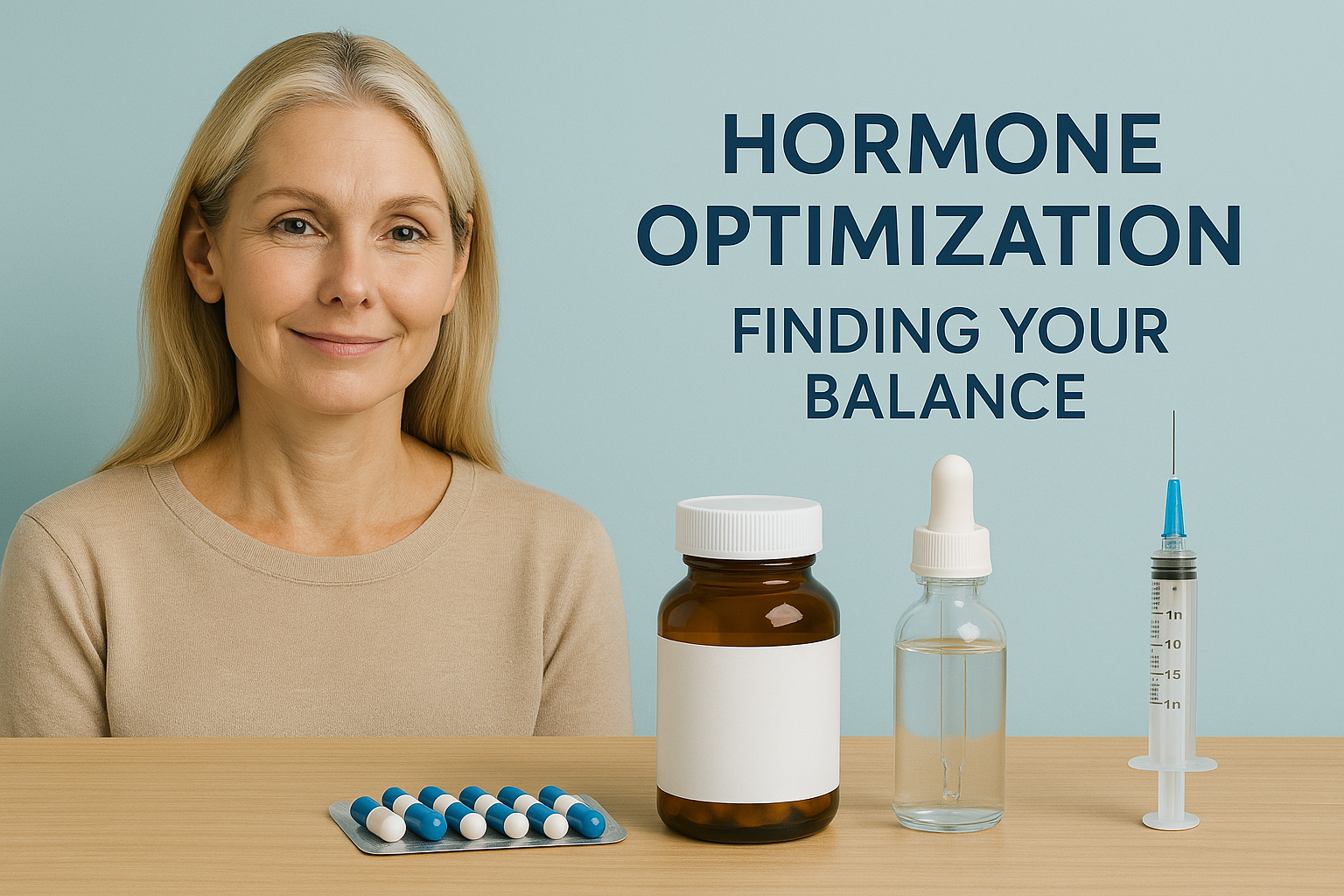
Compounded hormone preparations can be formulated in various delivery systems to suit patient preferences and optimize absorption:
- Transdermal creams and gels allow hormones to be absorbed directly through the skin
- Sublingual tablets or troches dissolve under the tongue for rapid absorption
- Capsules can be formulated with customized dosages and combinations
- Vaginal suppositories provide localized hormone delivery for specific women's health concerns
- Pellet implants offer extended-release hormone delivery over several months
Avoiding Unwanted Ingredients
Compounded hormone preparations can be formulated without fillers, preservatives, or allergens that may be present in mass-produced medications, making them suitable for patients with sensitivities or allergies.
The Path to Hormone Optimization
Achieving optimal hormone balance typically involves several key steps:
1. Comprehensive Assessment
The journey begins with thorough evaluation by a qualified healthcare provider, which may include:
- Detailed medical history and symptom assessment
- Comprehensive hormone testing (blood, saliva, or urine)
- Evaluation of related health factors like nutrition, stress, and sleep
2. Personalized Treatment Plan
Based on assessment findings, healthcare providers develop individualized treatment strategies that may include:
- Customized hormone therapy prescriptions
- Nutritional recommendations
- Lifestyle modifications
- Targeted supplements
3. Compounding Precision
When hormone therapy is prescribed, compounding pharmacists work closely with healthcare providers to create formulations that precisely match each patient's needs, considering factors like:
- Optimal hormone dosages
- Most appropriate delivery methods
- Complementary ingredients that enhance effectiveness
- Patient preferences and sensitivities
4. Ongoing Monitoring and Adjustment
Hormone optimization is not a one-time event but an ongoing process that requires:
- Regular follow-up appointments
- Periodic hormone level testing
- Symptom tracking
- Treatment adjustments as needed
Hormone questions are highly individual. Patients should work with a qualified clinician and use pharmacy support to clarify preparation details, instructions, and practical next steps.
Beyond Hormones: The Holistic Perspective
While hormone therapy can be transformative, optimal hormonal health depends on a comprehensive approach that addresses multiple factors:
Nutrition
Certain nutrients directly support hormone production and balance. Healthcare providers often recommend diets rich in:
- Healthy fats that provide the building blocks for hormones
- Fiber that supports hormone metabolism and elimination
- Antioxidants that protect hormone-producing glands
- Specific nutrients like zinc, magnesium, and B vitamins that support hormone function
Stress Management
Chronic stress disrupts virtually all hormone systems. Effective stress management techniques recommended by healthcare providers may include:
- Mindfulness and meditation practices
- Regular physical activity
- Adequate sleep and rest
- Social connection and support
Environmental Considerations
Many environmental compounds can disrupt hormone function. Healthcare providers may suggest:
- Minimizing exposure to endocrine-disrupting chemicals
- Choosing clean personal care products
- Filtering water and air
- Selecting organic foods when possible
Important Note
Hormone optimization should always be conducted under the guidance of qualified healthcare providers. At NP Labs, we work with healthcare providers to compound high-quality, evidence-based hormone formulations when prescribed. Always consult with your healthcare provider before starting any hormone therapy regimen.
Making hormone questions easier to discuss
Hormone optimization represents a powerful approach to addressing many health challenges and enhancing overall wellbeing. By recognizing the unique hormonal needs of each individual and providing personalized solutions, healthcare providers can help their patients achieve better health outcomes and improved quality of life.
At NP Labs, we're committed to providing compounding services that support healthcare providers in their hormone optimization treatment plans. Our specialized compounding capabilities allow us to create customized hormone formulations that meet the precise needs of each patient when prescribed by their healthcare provider.
Ask your healthcare provider about how customized compounded hormone formulations from NP Labs might support your hormone health goals. We work closely with doctors and wellness practitioners to create personalized solutions that align with your treatment plan.